Backflow Protection Devices North Brisbane
Safeguard Your Drinking Water with Certified Backflow Testing, Installation & Annual Compliance by North Brisbane’s Trusted Local Experts.
- Same-day service
- Clear, upfront pricing with quality workmanship that lasts
- We treat your property with care
Request a booking today!
Keep Your Water Safe & Compliant Year After Year
Protecting our clean drinking water is paramount, which is why we’re fully qualified and licensed to conduct thorough Backflow Prevention Testing. Our team handles everything, including submitting certification to the local council. With annual testing required for quality assurance, trust us to keep your water supply safe and secure with Backflow Protection Devices North Brisbane.
Annual testing is required for compliance—book now to avoid council penalties or interruptions to your water supply.
- Fully qualified and licensed for all backflow services
- Upfront pricing with no hidden fees
- Same-day and emergency bookings available across North Brisbane
Need reliable backflow testing? Keep your water safe
Why Choose Projection Plumbing for Backflow Protection in North Brisbane?
- Certified & Insured: All work meets local council standards for water safety.
- End-to-End Service: We install, test, repair, and manage all certification paperwork.
- Proven Local Reputation: Trusted by North Brisbane homeowners, businesses, and body corporates.
Contaminated water entering your supply can pose serious health risks. With Projection Plumbing, you get peace of mind—your water stays safe, and you stay compliant.
North Brisbane Trusts Projection Plumbing—Here’s Why
Ready to Protect Your Water?
- Book annual backflow testing before council deadlines
- Upfront, transparent pricing—no surprise bills
- Same-day service available for urgent issues
Serving all North Brisbane suburbs: Aspley, Chermside, Everton Park, and more. Ask about our rapid compliance support for local businesses and body corporates!
More Than Just Testing
Not only do we ensure proper backflow prevention, but we also tailor solutions for every setting—residential, commercial, or industrial. Whatever your property, our licensed team delivers reliable Backflow Protection Devices North Brisbane updates and maintenance, so you meet regulatory standards year after year—no hassle, just trust.
Need backflow testing done right? Don’t risk your water supply!
More Than Just Backflow Protection
Complete Plumbing Services You Can Count On
Alongside Backflow Protection Devices North Brisbane and annual testing, Projection Plumbing offers a full range of plumbing solutions—from hot water systems to blocked drains—keeping your property safe and running smoothly.
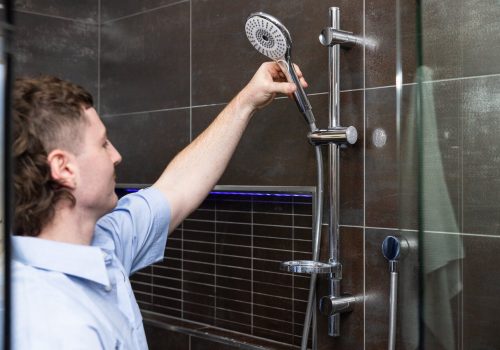
Residential Plumbing
- Leaking taps and toilets fixed fast
- Hot water repairs and replacements including heat pumps
- Blocked drain clearing with jetting and CCTV inspections
- Burst pipes and leak detection
- Kitchen, bathroom, and laundry plumbing
- Gas fitting and appliance installations
- Plumbing maintenance for homes and units
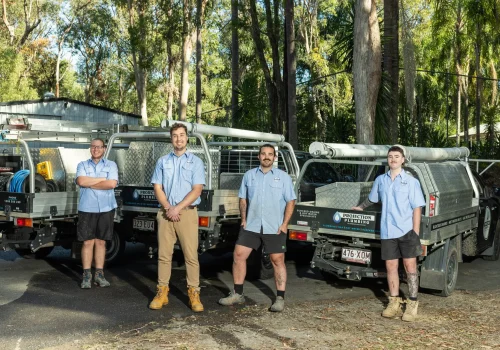
Commercial & Strata Plumbing
- Scheduled maintenance to keep sites compliant and open for business
- Backflow detection testing and device compliance
- Rapid-response drain clearing to minimise downtime
- Fit-offs and plumbing for refurbishments and shopfronts
- Clear reporting for managers and owners
- Commercial plumbing for offices, shops, and warehouses
- Property manager plumber for strata and rentals
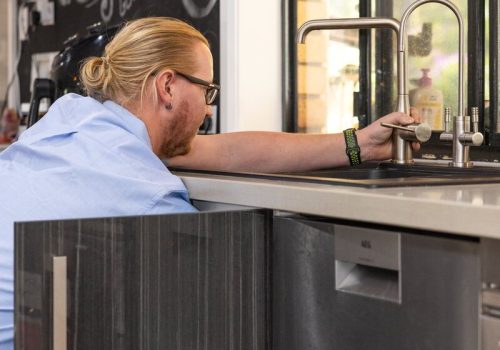
Renovations
- Practical layouts that suit real-world use
- In-wall rough-ins, fixture installs, and water-saving upgrades
- Coordination with builders and tilers for smooth timelines
- Renovation plumbing
Stay Safe with Reliable Backflow Protection!
Contaminated water can enter your clean supply if backflow isn’t prevented. Projection Plumbing provides certified backflow testing, installation, and maintenance of Backflow Protection Devices North Brisbane—handling everything from device checks to council compliance. Keep your water safe, clean, and worry-free with our trusted service.
Frequently Asked Questions
How is the hazard rating of a property determined for backflow prevention?
Hazard ratings help identify how likely it is that your water supply could become contaminated, and what level of protection you’ll need. Generally, properties are assessed based on three risk categories—low, medium, or high hazard.
- Low hazard means any cross-connection poses only a minor risk (think: residential properties or small offices).
- Medium hazard covers situations where the water could cause illness if contaminated—often in places like restaurants or small industrial sites.
- High hazard is assigned where there's a significant risk that contaminants could endanger health, such as in medical facilities, chemical plants, or sites with commercial-grade chemicals.
Our team carefully evaluates the activities on your property, the equipment used, and any potential sources of contamination before selecting the most suitable device. For medium or high hazard ratings, we always opt for a testable backflow device to ensure ongoing safety and compliance.
What Does Regular Backflow Testing Involve?
Regular backflow testing isn’t just a box to tick—it's a crucial step in safeguarding your water. Here’s what the process typically looks like when our licensed plumbers are on the job:
- Visual Inspection: We start by checking your backflow prevention device for any obvious signs of wear, damage, or tampering.
- Performance Check: Specialised testing equipment is used to measure water pressure and ensure the device is working exactly as it should, preventing any risk of contaminated water sneaking into your clean supply.
- Documentation: Detailed records are completed as required by council regulations—so you stay compliant without lifting a finger.
- Reporting & Maintenance: If any repairs or servicing are needed, we'll let you know right away and arrange it on the spot, minimising any disruption and keeping you protected.
With routine annual testing, you can enjoy peace of mind knowing your property and everyone who uses it is safeguarded from the dangers of backflow.
What Happens During a Backflow Device Installation?
When you book a backflow device installation with us, here’s what you can expect:
- Site Assessment: Our licensed plumber first inspects your property to determine the necessary level of protection—low, medium, or high—based on your specific water usage and council requirements.
- Device Selection: Depending on your risk level, we’ll recommend and fit the most suitable backflow prevention device. Higher-risk properties may require more robust, testable devices to ensure full compliance and peace of mind.
- Installation Process: We install the backflow prevention device in line with Australian standards. This involves isolating your water supply temporarily, fitting the device at the correct point in your system, and performing all necessary checks for leaks or incorrect fittings.
- Testing & Compliance: Once installed, we’ll test the new device to make sure it meets all regulatory standards. You’ll receive documentation for council records, so you’re always ready for inspections or audits.
- Support: Have a question as we go? Our team is happy to walk you through every step, so you understand exactly what’s being done and why.
That’s it—safe, compliant, and clean water, all with minimal fuss.
Is Backflow Prevention Legally Required in Queensland?
Absolutely—if your property in Queensland is connected to the main water supply, having a backflow prevention device isn’t optional, it’s mandatory. Under local and national regulations (specifically, AS/NZS 3500.1:2018 plumbing and drainage standards), these devices must be installed and maintained to stop potentially harmful contaminants from entering the public water supply during events like unexpected drops in water pressure.
Whether you own a home, run a business, or manage commercial premises, compliance isn’t just a suggestion—councils can require proof that your backflow devices are up to standard and professionally tested every year. Keeping up not only protects your family, staff, and customers but also ensures you stay on the right side of Queensland’s plumbing laws.
What situations can cause backflow to occur?
Backflow typically happens when there’s an unexpected change in water pressure—think burst water mains, firefighting hydrant use, or sudden supply interruptions. For instance, if the pressure in your property’s plumbing drops below the main supply, water (along with any contaminants) can flow the wrong way and enter the clean supply. Common culprits include pipe bursts, nearby construction, or even large amounts of water drawn off for things like council works or emergencies. That’s why having backflow prevention devices in place is so important—they work around the clock to stop contaminated water from making its way into what should remain a safe, reliable supply.
What Repairs Might Be Needed for Backflow Prevention Devices?
Backflow prevention devices work hard in the background, but like any plumbing equipment, they can develop issues over time. Common repairs include fixing or replacing worn internal seals, repairing valves that no longer open or close properly, and addressing leaks that may develop due to age or water pressure fluctuations.
A trained and licensed plumber will often:
- Replace malfunctioning check valves or relief valves
- Install new seals and gaskets to prevent leaks
- Remove mineral buildup or debris affecting performance
- Conduct full testing after repairs to ensure your device meets all safety and council compliance standards
If your backflow device isn't functioning as it should, don’t wait—timely repairs not only protect your water supply but also keep you compliant with regulations. Our experienced technicians can service all types of devices for long-term reliability and peace of mind.
What are my responsibilities as a property owner?
If you own a property, it’s your job to make sure backflow prevention devices are properly installed, annually tested, and up to code. Local councils require records of certification—meaning you must keep up with regular checks and maintenance to ensure everything keeps ticking along smoothly. If repairs or replacements are needed, you’re also responsible for organising a licensed plumber to handle it promptly, protecting both your property and the wider community’s water supply.