Cold mornings come on quick this time of year, and for busy buildings, that’s when plumbing problems tend to show up. It happens every winter. Pipes that were fine during summer start shifting. Joints loosen. Then suddenly, someone’s dealing with no water pressure or soaking wet floors.
When commercial plumbing is used around the clock, there’s no wiggle room for downtime. Things need to work, or people can’t do their jobs. That’s why waiting until something breaks is never the better plan. Now’s the time to take stock, especially before winter settles in for good. Getting on top of a few key checks early really can save a lot of stress (and mess) down the track.
Get Ahead of Leaks Before They Start
A lot can change when cooler air rolls in. Even solid pipework can shift just enough to let water sneak out. When buildings cool down at night and warm up during the day, all that expanding and contracting adds up, especially in older plumbing setups.
Here’s what usually causes trouble this time of year:
- Pipe fittings and joints may loosen from repeated temperature changes
- Small cracks in older pipes can start leaking when the metal or plastic reacts to the cold
- Damp areas go unnoticed until the leak becomes hard to ignore
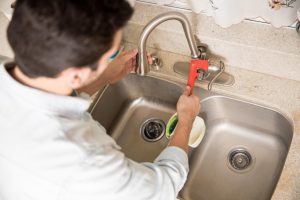
We can’t always see these problems without a proper look. If something’s going on behind a wall or under a slab, it’s almost impossible to spot without the right tools. That’s where a licensed plumber makes a big difference. We handle these checks before they lead to bigger damage. It’s all about catching things early, not waiting for a pool of water to show up.
Make Sure the Hot Water Stays Hot
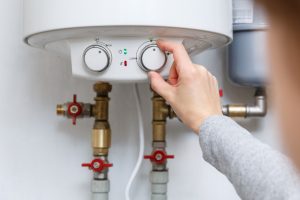
Hot water systems are a lifeline in the colder months. In commercial spaces, they work harder because more people rely on them at once. From office sinks to shared showers, the moment there’s no hot water, everything grinds to a halt.
We see a few common signs before hot water quits altogether:
- Water takes longer to heat and cools faster than usual
- The pressure feels off across multiple taps or fixtures
- Units run more often but still struggle to keep up
Long before a full system failure, hot water units start to show signs of stress. Regular use adds up fast, especially when colder input water means your unit has to work twice as hard. A licensed plumber can run checks and flag if things are out of balance. That way, systems stay ready without surprises on a chilly Monday morning.
Blocked Drains Become Bigger Problems in Cold Weather
Winter means more debris washing into drains. Leaves, dirt, and street grit pile up fast around commercial buildings, especially close to outdoor entries and car parks. But it’s not just what’s outside that causes blockages.
Here’s why we pay extra attention to drains before winter fully hits:
- Cold water moves slower, giving waste more time to stick and build up
- Heavier use in shared kitchens or bathrooms makes clogs grow quicker
- Cleanouts are harder once regular workdays are in full swing
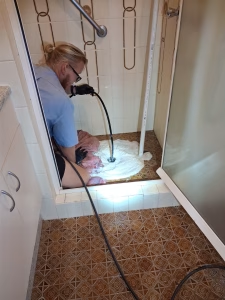
Leaving drains half-blocked is just asking for bigger problems later. Even when water drains slowly, that small warning sign often means there’s already a bigger clog below. Getting a pro to check with drain cameras or pressure jet tools is quicker and cleaner now than dealing with an overflow once everyone’s back to work.
Heating and Gas Systems That Need a Quick Once-Over
Gas heaters and hot water systems often don’t get touched until they act up. But once temperatures drop, these systems get put to the test. And not all problems show up loud and clear.
Things we usually find before winter really sets in:
- Low or flickering flames
- Faint smells of gas near appliances
- Rust, dust, or wear around joints or ventilation areas
Most of this can’t be fixed safely without a licensed tradesperson. A cold snap isn’t the best time to find out the pilot light won’t stay on or the space heater blows cold. We’ve learned over time that a basic check of gas lines and vents can spot small issues that might otherwise get missed. It’s not just about comfort either. When heating fails suddenly, safety can become a factor too.
When Commercial Spaces Are Shared, Problems Multiply
The more people who share a building, the tougher plumbing jobs become. In cafés, clinics, offices, and retail spaces, there’s a steady stream of use from open to close. One slow sink might not seem like much, but when it’s connected to a system used by dozens every hour, it adds up fast.
We’ve seen how one weak point can ripple through an entire space:
- A slow drain in the staff room ends up slowing kitchen service
- A single leak in a shared bathroom causes water damage across rooms
- Faulty taps lead to pressure issues in sinks nearby
We look at commercial plumbing as a system with moving parts, all depending on each other to work. That’s why we stick with regular checks and tests before winter kicks off. Plumbing issues feel a lot bigger when a full building is affected, and a bit of early planning makes all the difference.
Keep Things Running When It’s Chilly Outside
Winter doesn’t have to catch buildings off guard. The signs are already there, cooler air, lower daylight, and systems starting to work harder than they did last month.
Taking a little time for basic checks keeps things moving without the stress of surprise breakdowns. It gives everyone a smoother season from start to finish. Plumbing, hot water, gas, and drains each play a part in that. When they’re in good shape, everything else just works better.
Better to have expert eyes on it now than find out the hard way when something goes quiet, leaks, or backs up during a packed workday. Winter brings enough action on its own. The plumbing shouldn’t be what slows things down.
Prepare your North Brisbane building for winter by making sure your plumbing setup is in optimal condition before the seasonal rush. We offer routine inspections that spot minor issues in hot water systems, drains, and heating systems so you can enjoy fewer disruptions later. For expert commercial plumbing solutions, call Projection Plumbing today.
See also: Tips for Staying Ahead of Gas Fitting Needs in Autumn.
See also: Guide to Prepping Backflow Devices Before Frost Hits.