Stop Bill Shock: Simple Checks Before You Panic
A sudden high water bill can be very stressful. You open it, see the total, and your first thought is that there must be a big leak underground. Sometimes that is true, but many high bills in Brisbane come from small, everyday issues that are much easier to fix.
Before you start digging up the yard, there are some simple checks you can do around your home. Toilets, irrigation systems, pools, and pressure valves can all waste a lot of water without making a big mess. A few careful checks can save you worry and help you work out whether you are dealing with normal use, a small fault or a hidden problem that needs water leak detection in Brisbane.
In this article, we will walk through the main non-leak causes to check first, show you some easy signs to look for, and then finish with simple meter tests and clear signs that it is time to call a plumber for proper testing and repairs.
Sneaky Toilet Problems That Waste Thousands of Litres
Toilets are one of the biggest quiet water wasters in any home. They can run or leak without you really noticing, and the first clue is often that nasty surprise on your bill.
Here are some quick checks you can do:
- Stand near the toilet and listen for a constant hissing sound
- Look into the bowl for a small trickle of water running down the back
- Gently jiggle the flush buttons or handle and see if the noise stops or starts
- Watch the cistern after kids or guests have used it, in case something sticks
A simple way to test for a slow leak is the food colouring test. Add a few drops of food colouring into the cistern, then wait without flushing. If coloured water appears in the bowl, the water is slipping past the seal.
During cooler parts of the year and school holiday periods, people spend more time inside and toilets are used more often. A small leak that did not matter much before can suddenly push your usage up.
Toilet issues might involve:
- A worn or dirty outlet valve
- A float that is set too high
- A fill valve that does not shut off properly
- Buttons or linkages sticking after heavy use
Small things like gently checking that the buttons are not stuck can be fine for many homeowners. But if parts need to be replaced, or if the leak keeps coming back, it is safer to have a licensed plumber repair or replace the internal parts so you are not guessing.
Irrigation Timers and Garden Taps Running Overtime
In Brisbane, many homes have irrigation systems, soaker hoses or long hose runs around the yard. These are great for gardens, but they can also be sneaky water users.
Common problems include:
- Timers set to run too often after you adjust them at the end of winter
- Programs doubling up, so a zone waters twice in one night
- Garden taps left slightly on under a hose or spray gun
- Soaker hoses hidden under mulch and running for hours
Walk around and check:
- Your irrigation schedule on the timer or control panel
- Each zone one by one to see if any sprinkler is spraying in the wrong spot
- For wet patches, moss or green slime around sprinkler heads and garden taps
- That the backup battery in the controller is fresh so it does not reset after a blackout
Water-wise habits help a lot in our local conditions. Shorter, deeper watering in the early morning reduces waste. Check hoses and trigger nozzles for drips, and replace worn washers. If you notice one area of lawn or garden that always seems damp or boggy even when irrigation is off, that can be a sign that a pipe or fitting underground is cracked, which may need proper water leak detection in Brisbane to pinpoint.
Pool Top-Ups, Evaporation and Hidden Equipment Issues
Pools can use a lot of water, especially in warm, sunny and windy months. Evaporation is normal, but ongoing top-ups or a constantly low water line can hint at something more.
To check whether you are losing more than normal:
- Do a simple bucket test beside the pool to compare drop levels
- Watch for wet spots in the soil around the pool shell or coping
- Check the equipment slab near the pump and filter for constant dampness
- Look closely at any visible pipes or joints for slow drips
Often-missed culprits include:
- Auto top-up systems that are stuck open and quietly feeding the pool all day
- Backwash lines that leak into a drain even when not in use
- Faulty valves in the pump area that do not shut off correctly
- Hairline cracks in pipes that only show up when the pump runs
If the bucket test shows the pool is dropping faster than the bucket, and you have already checked for obvious splashing or long pool parties, it may be time for a professional to check for leaks in the shell or pipework.
Pressure Limiting Valves and Other Plumbing Wildcards
Many Brisbane homes have a pressure limiting valve, often near the water meter or at the front of the house. This valve helps control high mains pressure so your pipes, hoses and appliances are not under constant strain.
When a PLV is not working as it should, you might notice:
- Banging or knocking pipes when you turn taps on or off
- Appliances like washing machines sounding louder than usual
- Tap washers wearing out or dripping again soon after they are changed
- Fluctuating shower pressure that goes strong then weak
- Water meter movement even when everything appears off
Other non-leak trouble spots include:
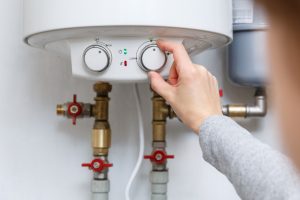
- Hot water system valves that discharge too often
- Old mixer taps that do not fully shut and let a tiny stream pass
- Hose connection points where rubber seals have perished
Any work on pressure control devices or hot water valves should always be done by a licensed plumber. These parts deal with pressure and hot water, so safety and correct settings matter for the whole home.
Simple Meter Checks and When to Call a Plumber
A basic meter check can tell you a lot about what is going on before you call anyone.
Try this simple test:
- Turn off all taps, toilets, irrigation, pools and appliances that use water
- Go to your water meter and write down the current reading
- Watch the small dial or triangle; if it is spinning, water is moving somewhere
- Leave everything off for at least half an hour, longer if possible
- Check the meter again and see if the numbers or small dial have changed
If the meter stays still and the reading does not move, the problem is more likely to be normal use or a fixture that occasionally runs too long, like a toilet or irrigation. Go back through the checks above and adjust timers, fix obvious drips and keep an eye on your next bill.
If the meter moves even when you are sure everything is off, or if you can see damp patches in walls, floors or the yard, that can point to a hidden leak. In that case, it is smart to have experienced plumbers carry out a proper water leak detection in Brisbane. For North Brisbane homeowners, property managers and strata groups, getting leaks found and repaired early can help keep future bills under control and reduce stress as the hotter months roll in.
Protect Your Home With Fast, Accurate Leak Detection Today
If you have noticed damp spots, higher water bills or musty odours, we can quickly pinpoint the issue before it becomes serious. At Projection Plumbing, our specialised water leak detection in Brisbane helps protect your property and keep repair costs down. Reach out today and let us assess your situation, explain your options and provide a clear plan of action. To book an inspection or request a quote, simply contact us.