When summer settles into North Brisbane, we get a mix of dry spells and sudden storms. The ground expands, cracks, and shifts as moisture levels swing back and forth. For homes with aging pipes or previous plumbing issues, this season brings a quiet kind of risk. One of those risks sits right under our feet, a slab leak.
It might seem like a minor thing at first. No water pooling, no flooding, nothing obvious. But that’s exactly what makes it easy to ignore. And during a hot stretch, it’s not uncommon for signs of a slow leak to fade from view. Without proper water leak detection, these small issues can keep going until they turn into real damage.
When Warm Weather Masks the Signs
Heat can be helpful when you’re drying laundry, but it works against you when trying to spot water problems. A slow leak under the slab might cause a faint damp patch one day, then nothing the next. The warm concrete and sun-dried surroundings make it hard to notice changes.
There are a few reasons this happens more often when it’s hot:
- Damp areas can evaporate quickly before anyone notices, especially around driveways or patios.
- Households often run air conditioning all day, which moves air around and pulls moisture into less noticeable places.
- Open windows and fans might make it harder to smell or feel the mustiness that sometimes comes with hidden leaks.
Meanwhile, pressure builds. Water continues to move beneath the floor, out of sight and out of mind. But just because you can’t see it doesn’t mean it’s not doing damage.
What Happens When Leaks Linger
When water keeps leaking under a slab, it doesn’t just sit there. It spreads slowly through the soil and pushes up against the concrete. Bit by bit, this can weaken the ground the house is sitting on. Over time, we see cases where the constant moisture causes movement. The concrete may crack or shift, especially in spots that were already under strain.
There are other side effects, too. Here’s what often follows when small slab leaks are ignored:
- Bugs find their way to damp ground, especially ants or termites drawn to the moisture.
- Mould can start in hard-to-see areas like inside walls or beneath underlay.
- Flooring can buckle or warp from the bottom up, and walls may show bubbling or peeling paint.
None of these problems appear all at once. They build quietly, growing worse as the leak keeps going. By the time you notice something inside, the damage under the slab has likely been there for a while.
Seasonal Plumbing Problems Don’t Wait
Summer can add more stress to plumbing that’s already been through a lot. High daytime temperatures cause pipes to expand. Then, when things cool overnight or after a storm, they contract again. That constant movement wears them down.
Here are a few reasons summer leaks call for quick attention:
- Old or hairline cracks in pipes may get worse with temperature stress and turn into slow leaks.
- Rain after a dry period adds moisture to the ground, pushing water into freshly made cracks.
- Using outdoor taps, sprinkler systems, or coolers puts extra pressure on the whole system.
It’s easy to think you can wait for winter if a problem doesn’t seem serious. But plumbing doesn’t pause at the end of summer. These leaks can sneak up fast and leave you facing heating issues by the time the weather turns cold.
Why Professional Detection Beats Guesswork
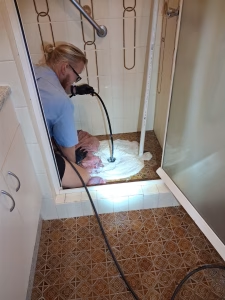
We’ve seen how hard it can be to tell where a leak is coming from, especially when it hides under layers of concrete and flooring. That’s where professional water leak detection makes all the difference.
Trying to find a leak without the right tools is a guessing game. And digging around blindly only adds more cost and mess. Instead of patching over symptoms, we use gear that helps us track down what’s really going on under the surface.
Here’s what proper leak detection helps with:
- It narrows down the location without cutting through slabs or floors unnecessarily.
- It saves property owners from fixing the wrong problem or missing the real one.
- It makes future problems less likely, since leaks often show up in connected areas too.
It’s not just about fixing something once it’s bad. Spotting leaks early means less disruption, fewer repairs, and more control overall. And with dry weather holding steady, now is one of the safest times to investigate outside before cooler months bring more rain and mud.
Stay Ahead Before It Spreads
A minor leak might seem like something you can put off, especially if you don’t see puddles or hear sounds. But ignoring it doesn’t make it go away; it makes room for damage to spread.
Here’s why we don’t wait with slab leaks, especially when it’s warm out:
- Conditions under the slab change fast in heat, which hides warning signs.
- Odours or damp spots may be brushed off, even when they signal something serious.
- The longer it goes unnoticed, the more likely a leak will lead to structural damage.
By the time signs are clear enough to act on, the costs and complications grow. That’s why we always look at water leak detection as a first step, not a last resort. Catching problems now saves time and stress later. And when the heat’s already putting pressure on pipes, spotting the quiet leaks early is one of the smartest things we can do.
When your flooring, walls, or air quality feels off during summer in North Brisbane, it might be more than just the weather. Small slab leaks can develop behind the scenes and worsen without timely attention. We use targeted tools and training to locate issues through accurate water leak detection instead of relying on guesswork, which allows us to pinpoint hidden leaks before they escalate into major problems. Notice signs that don’t seem right and contact Projection Plumbing today.