Autumn has a way of shining a light on small problems that have been hiding in the background. In rental homes, one of those problems often turns out to be a gas leak. The cooler nights in May usually mean heaters and other gas appliances get used more than they have in months. When these systems haven’t been checked in a while, that’s when trouble can show up.
We see it every year, gas fitting becomes more important during autumn. That’s when connections, seals, and older equipment are under pressure again. As licensed gas fitters based in Cashmere, we provide gas fitting services for residential, commercial, and strata properties across North Brisbane, including many rental homes and managed complexes. If something’s a bit off, a leak can follow. In rental properties, these kinds of issues don’t always get noticed right away. Let’s take a closer look at what causes gas leaks around this time of year and what owners or managers should know.
Common Gas Appliances in Rentals
Gas appliances aren’t that different from place to place, but how they’re used can vary a lot between homes, especially in rentals. In North Brisbane, most rental properties run on familiar setups like:
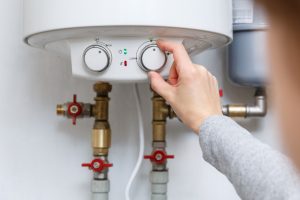
- Gas hot water systems that support daily showers and dishwashing
- Wall-mounted gas heaters or portable units residents bring into a property
- Gas stovetops and ovens that see uneven levels of use, depending on the tenant
The thing all of these have in common is heat and pressure. After a quiet stretch during the warmer months, they get switched back on more often once the mornings start to cool down. That sudden uptick in usage is where problems can start.
If an appliance hasn’t been run for a while, or if it ran nonstop during the last winter without any checks, it might already have worn or weakened parts. Connections might have started to loosen, and seals could be showing signs of age. Without regular servicing from someone trained in gas fitting, those weaknesses often go unnoticed until there’s a smell or a noise that shouldn’t be there.
How Cold Weather Affects Gas Fittings
Cooler weather doesn’t just push us to use heaters more. It also causes metal pipes to contract and shift slightly. Over time, these little movements can add stress to joints and fittings inside the gas line.
When older fittings are already a bit worn or not quite holding their seal, that extra movement can lead to cracks or small leaks. You might never spot them at first. Once the heater is back on every day, the damage starts to speed up.
Here’s what often happens around this time of year:
- Pipes expand and contract with changing temperatures
- Valves and seals inside equipment don’t close as tightly as they used to
- The strain of daily use quickly turns a minor weakness into a gas leak
It’s easy to think everything is fine just because appliances start up smoothly. But warmer months often hide the slow breakdown happening inside the system. Autumn’s cooler nights just bring those hidden problems up to the surface.
Why Rental Properties Are at Higher Risk
Gas leaks are always serious, but in rental homes, they can become harder to catch in time. That’s because regular checks aren’t always done unless someone speaks up. Tenants might not notice a smell straight away, or they might think a hissing sound is harmless. If the issue only pops up during early morning use, it could go unreported for weeks.
Here are a few reasons why rentals tend to face more risk:
- Property owners aren’t on-site to notice warning signs
- Tenants don’t always report strange sounds, smells, or changes in heat
- Maintenance might wait until the next scheduled inspection
In homes with shared gas lines, like townhouses or small complexes, it’s even easier for small issues to go unnoticed. A problem starting in one unit can affect several others before anyone realises there’s gas escaping somewhere.
Because of how these properties are managed, and how often they’re in use, rental properties really benefit from early checks during seasons when usage patterns shift. Autumn is one of those key times.
The Role of Professional Plumbers in Preventing Leaks
Gas systems are too dangerous to guess at. One mistake when reconnecting an appliance or checking a pipe could lead to something far worse than a smell in the kitchen. That’s why qualified gas fitting isn’t just a service, it’s part of running a home safely.
Trained plumbers know what to look for and when to check for it. Rental owners who schedule inspections ahead of the colder months avoid the stress and damage of a leak that sneaks up in June or July. A small check-up now means less chance of a bigger repair later.
Gas issues often start small, but only a licensed gas fitter has the right tools and training to spot things early. Trying to patch or tighten something yourself isn’t just risky, it’s illegal in many cases. Since gas is involved, one wrong move could put people and properties at serious risk.
Staying Safe Through the Season
If you’re responsible for a rental property, autumn is the time to stay ahead of problems. The early part of May is perfect for booking inspections before cold mornings return in full. Once heaters and hot water systems are running more, any leak that’s been building can turn into a larger problem, fast.
Getting checks done by someone licensed in gas fitting doesn’t just protect pipes and appliances. It protects tenants, prevents bigger disruptions, and keeps everything working when it’s needed the most. A little bit of attention now gives everyone in the home a safer season ahead.
Noticing signs of wear or feeling uncertain about when your last inspection was means it’s time to act. We help property owners stay on top of safety before the busy winter months set in and understand that every part of your gas system, from connections to appliances, plays a key role. Read about how we handle gas fitting across North Brisbane and arrange a licensed check before heating season hits full swing by contacting Projection Plumbing today.