Protect Your Building From Winter Plumbing Disruption
Cold mornings and shorter days tend to expose weak points in commercial plumbing. On Brisbane’s northside, we might not get freezing conditions, but cooler temperatures, heavier hot water use, and wet weather can quickly turn small plumbing issues into large, expensive problems. For building owners and facility managers, that can mean complaints, shutdowns, and stressed maintenance teams.
When plumbing fails in winter, the impact goes well beyond a bit of inconvenience. You can face downtime for tenants, safety risks from gas or hot water faults, damage to stock or equipment, and a hit to your reputation if problems are not fixed quickly. Unhappy tenants and lost trading hours can easily outweigh the cost of preventative work.
The good news is that most winter plumbing shocks are avoidable with planning, regular inspections, and a reliable commercial plumber in Brisbane who knows local conditions. At Projection Plumbing, we see the same patterns each year, especially in older buildings and high-demand sites, which means we know what to look for before something breaks. In this article, we will run through key winter risk areas, practical maintenance strategies, ways to involve tenants and staff, and how working with a plumbing team can keep your building steady when the temperature drops.
Understand Winter Risks in Commercial Plumbing Systems
Winter puts different pressure on plumbing systems compared to the warmer months. Even in South East Queensland, where lows are relatively mild, repeated temperature changes can cause pipework to expand and contract. Over time this movement can loosen joints, weaken seals, and expose tired sections of pipe, especially in older commercial buildings.
Hot water demand typically climbs as staff and tenants take longer showers, run more hot taps, and turn on appliances earlier in the day. Cylinders, heat exchangers, and circulation pumps that are already worn can be pushed past their limits. We often see issues such as:
- Hot water system breakdowns during peak use
- Gas supply or appliance faults as heaters and kitchens work harder
- Roof and gutter leaks appearing after a colder snap and rain
- Blocked drains as leaves and debris wash into stormwater and external drains
Different building types experience winter in their own way. Office buildings might see strain on shared amenities and tea rooms, while retail sites can be more exposed to roof and gutter issues over customer areas. Industrial properties and warehouses often have long pipe runs through unconditioned spaces, which can stress pipe joints and affect hot water recovery times. Strata complexes must balance multiple hot water systems, shared drains, and varying tenant behaviour.
This is why a one-size-fits-all maintenance approach rarely works. A seasonal plumbing risk audit by a commercial plumber in Brisbane who understands local building stock and regulations can pinpoint where your particular site is most exposed. That might be ageing pipework in a plant room, undersized hot water units serving showers, or neglected trade waste systems. With a clear picture of risks, you can prioritise repairs and upgrades before winter hits hard.
Plan Preventative Maintenance Before Temperatures Drop
The best winter plumbing strategy starts well before the first cold snap. A structured checklist keeps your maintenance team and plumbing contractor aligned and reduces the chance of anything being overlooked.
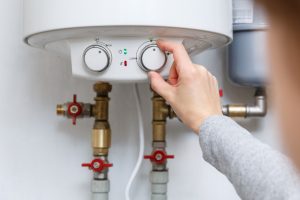
For hot water systems, we recommend:
- Inspecting hot water units for corrosion, leaks and unusual noise
- Checking tempering valves for safe, consistent outlet temperatures
- Testing pressure and temperature relief valves
- Servicing circulation pumps on ring main systems
Across pipework and fixtures, it is worth:
- Checking for small leaks around ceilings, risers and plant areas
- Inspecting exposed pipework in car parks, rooftop plant and service corridors
- Testing isolation valves so you can shut down zones quickly if needed
- Verifying backflow prevention devices are working correctly and are within test date
Drainage and roof plumbing are often overlooked until water is already on the floor. Ahead of winter, make time to:
- Clear gutters and downpipes of leaves and debris
- Check roof flashings and penetrations for obvious weak spots
- Inspect trade waste systems to avoid odour and overflow issues
- Confirm that stormwater drains are free-flowing and not choked with silt or rubbish
Putting this work into a scheduled maintenance agreement with a reliable commercial plumber in Brisbane can simplify planning and budgeting. Regular checks mean the same team becomes familiar with your site, and you benefit from early warnings rather than last-minute emergencies.
Strengthen Hot Water and Gas Reliability in Winter
Few things trigger tenant complaints faster than no hot water on a cold morning. Hot water systems are the heart of winter comfort, particularly in facilities with showers, food preparation or high staff turnover. Capacity checks help confirm that your units can cope with winter peaks and that recovery times are acceptable.
Routine inspections should include the cylinder or heat exchanger, checking for rust, leaks and scale build-up. Anode replacement, where applicable, can extend the life of storage tanks. Reviewing temperature settings is also important, both for safety and energy efficiency. Water that is too hot increases scald risk, while water that is too cool can encourage bacterial growth and leave users unhappy.
Gas fitting deserves the same attention. Safe operation of boilers, heaters and gas appliances should be confirmed through testing and visual checks. Key steps include:
- Checking for gas leaks around appliances and pipework
- Confirming that ventilation paths are clear and compliant
- Testing burners for clean, stable flames
- Ensuring installations align with Queensland gas standards and manufacturer instructions
Poorly maintained hot water and gas systems are far more likely to shut down during busy periods, such as early shifts in industrial sites, hospitality kitchens or gym change rooms. If systems are showing their age, it can be safer and more cost-effective to plan upgrades rather than patching failure after failure. Staged replacement, energy-efficient models and long-term budgeting support from your plumbing contractor can smooth the transition and avoid surprise outages.
Engage Tenants and Staff to Spot Issues Early
Even the best maintenance plan relies on early reporting from the people who use the building every day. Tenants, facility managers and staff are often the first to notice warning signs. When they know what to look for, they can flag issues before they become serious.
Common early warning signs include:
- Slow or gurgling drains
- Fluctuating water temperature or pressure
- Water hammer or banging in pipework
- Unusual gas smells or hissing around appliances
- Damp patches on ceilings, walls or carpet
Clear reporting procedures help these issues reach the right people quickly. This might mean a dedicated email, online form or central phone contact, along with expectations for response times. Incident logs are also valuable for larger sites or strata complexes, as repeated small faults can point to a wider problem in a particular section of the building.
Occupants should be given straightforward, non-technical advice on what to do in a plumbing emergency. For example, knowing where local isolation valves are, who to call if they see a leak, and why DIY fixes can create bigger safety or insurance problems. When we work with commercial clients, we can support simple staff briefings and practical reporting tools tailored to the site layout and risk profile.
Partner with a Winter-Ready Commercial Plumbing Team
Putting all of this together, the business case for proactive winter plumbing planning is strong. Regular inspections and servicing reduce emergency call-outs, extend the life of hot water and gas systems, keep tenants happier, and make repair and replacement costs more predictable. Instead of reacting to the loudest complaint, you can work from a planned maintenance schedule backed by professional advice.
When you are choosing a commercial plumber in Brisbane, it helps to look for experience with commercial, strata and industrial sites, along with a clear process for handling urgent breakdowns when things do go wrong. Strong communication is essential so building managers, strata committees and owners understand what has been done, what is urgent and what can be scheduled later. Local knowledge of north Brisbane conditions and common building types adds another layer of value, as it informs where to focus inspections and how to stage upgrades with minimal disruption.
At Projection Plumbing, our commercial clients benefit from customised maintenance schedules that match their building use, detailed reporting after each visit and coordination with facility managers and body corporates. By treating winter as a planned season rather than a surprise, you can keep your plumbing systems steady, protect your tenants, and avoid the shocks that come with unexpected breakdowns.
Get Started With Your Project Today
If you are planning a new fit-out, upgrade or urgent repair, our team at Projection Plumbing is ready to help you keep your operations running smoothly. Speak with an experienced commercial plumber in Brisbane who understands local regulations, tight timeframes and the needs of busy commercial sites. We will assess your requirements, provide clear recommendations and work with your schedule to minimise disruption. To discuss your project or request a quote, simply contact us.
See also: Preventing Plumbing Failures in Commercial Buildings.