Stop Leaks Derailing Your Brisbane Bathroom Reno
Early leak detection in Brisbane bathrooms is one of those boring jobs that saves you from very unboring problems later. Many homeowners get excited choosing tiles, tapware, and vanity styles, then hit a wall when a hidden leak shows up halfway through the renovation. Suddenly there is damaged framing, blown waterproofing and trades waiting around while pipes get fixed.
Brisbane homes deal with humidity, heavy rain, and plenty of older plumbing. That mix makes hidden bathroom leaks more likely, and more damaging, if they are not picked up early. When renovations start to ramp up around late winter and early spring, it is the perfect time to plan proper leak checks before the fancy finishes go in. In this article, we walk through practical early leak detection strategies, how to weave them into a sensible renovation plan, and when it is time to bring in a licensed plumber to test things properly.
Why Early Leak Detection Matters in Brisbane Homes
Brisbane bathrooms live in a humid environment for much of the year. Add summer storms, long showers, and older pipework, and you get a higher chance of water sneaking into places it should not be. Moisture often sits behind walls, under tiles or in timber floors for a long time before anyone notices. By the time it shows up on the surface, the damage is usually well underway.
When leaks are missed before a renovation, the fallout can be messy. Common problems include:
- New tiles that have to be ripped up to get to a leaking pipe
- Damaged or failed waterproofing that lets water spread into nearby rooms
- Mould growth in plasterboard, flooring and cabinetry
- Swollen skirting boards and soft, spongy floors
All of this can drag out your bathroom project, knock your schedule around and shorten the life of your new fittings, grout and silicone. Insurance can also get tricky if a problem is linked to older leaks that were not dealt with before the renovation started.
Safety is another big reason early leak detection matters. Water and electricity together are a serious risk, especially where light fittings, fans or power points are close to wet areas. Slippery floors can cause falls, and mould spores are not great for anyone with asthma or breathing problems, including kids and older family members. Catching leaks early keeps those risks down and helps your new bathroom stay safe as well as good looking.
Hidden Bathroom Leak Hotspots to Check Before Demo
Before the first tile comes off the wall, it pays to slow down and check the current bathroom with leaks in mind. Some areas are more likely to cause trouble than others.
Key hotspots in many Brisbane bathrooms include:
- Around and behind toilets, especially where the cistern connects
- Under vanities and around sink wastes and tap connections
- At shower bases and along the edges of shower screens
- Around and under baths, especially inset baths
- Near existing hot water pipework in walls, ceilings and under floors
There are a few simple checks you can do before any demolition starts. For example:
- Do a basic water meter check by turning off taps and watching for movement
- Look for musty smells that linger even when the room is clean and dry
- Check for bubbling or flaking paint near the bathroom
- Tap tiles to spot hollow or loose ones, which can hint at moisture behind
- Look for swollen cabinetry, lifted vinyl or water stains on ceilings below
These signs tell you something is not right, but they do not show the full story. Only a professional plumber can properly assess things like:
- Concealed pipe joints hidden in walls or under slabs
- The integrity of old shower trays and bases
- How well the existing waterproofing is holding up
It is smart to document anything suspicious before work starts. Take photos, short videos and notes of cracks, stains and loose tiles. This helps when you are getting quotes, talking to insurance, and planning how much of the bathroom needs to come out.
Smart Leak Detection Tools for Modern Bathroom Renos
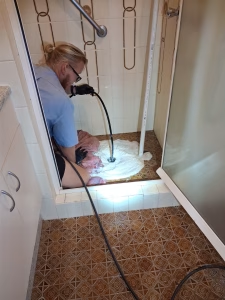
Modern leak detection in Brisbane is about finding the problem with as little damage as possible. Licensed plumbers now have tools that help track leaks without tearing half the bathroom apart.
Some of the common methods include:
- Acoustic listening devices that pick up the noise of water escaping from pressurised pipes
- Pressure testing of pipework to confirm if a line holds steady or drops over time
- Thermal imaging cameras that show temperature changes where water is moving behind surfaces
These tools are especially handy in older Queenslanders and units where you want to protect original walls or avoid disturbing neighbours. Instead of guessing and cutting random holes, your plumber can narrow down the leak area first.
Moisture meters and dye tests are also useful around showers and baths. A moisture meter can pick up damp pockets behind tiles or in flooring. Dye testing involves adding a safe coloured dye to water and seeing if it turns up where it should not, for example outside the shower area.
A plumbing team that works with these kinds of tools can make bathroom renovations smoother for residential, commercial and strata properties. It means more accurate leak detection, less guesswork, and better planning around repairs.
Building Leak Checks Into Your Renovation Timeline
Leak detection works best when it is not an afterthought. If you build it into your renovation timeline, you can avoid a lot of stress later.
A simple way to plan it is:
- Pre-design: Have the existing plumbing checked to understand any limits or problem areas before you lock in layout and fittings.
- Pre-demo: Do targeted leak testing so you know if extra repairs might be needed once walls and floors are opened.
- During rough in: After new pipes go in but before they are covered, get them pressure tested.
- Before final waterproofing and tiling: Confirm there are no leaks so waterproofing and finishes can be installed with confidence.
Good communication between your builder, tiler and plumber is key. Everyone should be clear on who is responsible for leak checks, pressure tests and sign-offs. Homeowners can help by:
- Asking for leak testing to be included in written quotes
- Confirming which trade will handle pressure testing of new and existing lines
- Making sure all plumbing work lines up with Queensland regulations
Because Brisbane has wetter periods, seasonal planning also matters. Getting leak testing done early in the project means you have time to fix issues without rain or busy trade periods causing extra delays.
Partner with a Local Plumber for Leak-Free Bathroom Results
Visual checks are helpful, but they do not replace proper testing. Adding professional leak detection and plumbing checks to your bathroom renovation checklist is one of the best ways to protect your budget and your new space.
A local North Brisbane plumbing team that works on residential, commercial and strata properties every day will know the common bathroom leak issues in the area, how local water pressures behave and what to watch for in different building styles. That local knowledge, combined with the right leak detection tools, helps keep your project on track and your new bathroom dry behind the scenes, not just on the surface.
Protect Your Property With Fast, Accurate Leak Detection Today
If you have noticed damp spots, higher water bills or suspect a hidden pipe issue, our team at Projection Plumbing can help pinpoint the problem quickly. Learn how our specialised leak detection in Brisbane service can save you from costly damage and unnecessary repairs. Reach out to our licensed plumbers today via our contact page so we can assess your situation and provide a clear, practical solution.