A slow leak in your home can cause damage long before you see water on the floor. In Brisbane’s humid climate, even a small hidden leak can lead to mould, rotten timber and creeping structural issues. It can also quietly push your water bill higher each month until your budget starts to feel it.
As plumbers working across North Brisbane, we know most leaks give off early clues. You just need to ask the right questions. This guide walks through simple, question-based checks you can use around your home to spot warning signs early, so you know when it is time to bring in professional water leak detection in Brisbane.
Catch Hidden Leaks Before They Drown Your Budget
Slow leaks rarely start as a flood. They usually start as a tiny drip in a wall, under a slab or in a ceiling. Left alone, they can lead to:
- Higher water bills that are hard to explain
- Mould and musty smells that are hard to remove
- Swollen skirting boards, warped flooring and stained paint
- Long-term weakening of plaster, timber and framing
A question-based approach helps you look at your home with fresh eyes. Instead of hoping that damp patch dries out, you ask:
- When did I first notice this?
- Is it getting worse or staying the same?
- Does it change when I use certain taps or fixtures?
By slowing down and asking these kinds of questions, you can spot small issues before they grow. When you are ready for help, a local North Brisbane plumbing team can step in with proper testing and repairs.
What Is That Damp Patch Really Telling You?
A damp mark on a wall, ceiling or floor is your home trying to talk to you. The key is to ask careful questions.
Start with the basics:
- How long has that patch been there?
- Is it growing, shrinking or changing colour?
- Does it show up after rain or is it there all the time?
If the damp area only appears or worsens after heavy rain, it might be rainwater getting in through:
- Roof leaks
- Blocked or damaged gutters and downpipes
- Failed flashing around skylights or chimneys
If the patch stays damp even in dry weather, or gets worse when you shower or use taps, it may be an internal plumbing leak, such as:
- Pipes running in walls or ceilings
- Leaks from a shower recess or bathroom waterproofing
- Pipes buried in or under a concrete slab
A damp patch becomes urgent when you notice:
- Bubbling or flaking paint
- Crumbly plaster or soft spots in walls
- A strong musty or mouldy smell
- Warm areas on a concrete floor, often a sign of a hot water pipe leak
If you tick any of these, it is time to stop guessing and plan for a professional check.
Why Your Water Bill Spiked Without Warning
An unexplained jump in your water bill is one of the clearest signs that water is escaping somewhere you cannot see.
Start by looking back over your last few bills. Ask yourself:
- Has usage slowly risen over a few bills or jumped suddenly?
- Is there a pattern during hotter months when you use more water outside?
- Has anything changed at home, like more people staying over or new garden watering habits?
If nothing in your routine explains the spike, simple checks can help you spot a hidden leak. One common method is a basic meter check on a dry day:
- Turn off all taps, appliances, irrigation and toilets.
- Make sure no one uses water for a short period.
- Watch the water meter and note if it moves.
- If the dial keeps spinning, water is flowing somewhere it should not be.
Common culprits in Brisbane homes and units include:
- Leaking toilet cisterns that trickle constantly
- Garden irrigation lines or hose fittings that never fully shut off
- Older copper pipework with small splits or pinhole leaks
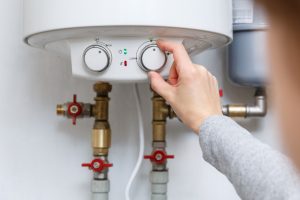
- Ageing hot water systems with leaks at valves or connections
Once you know the meter is moving with everything off, it is usually time to bring in a plumber to track the exact location.
Is That Drip, Hiss, or Trickling Sound a Warning Sign
Your ears can be just as useful as your eyes. Water often makes noise before it shows itself.
Ask yourself:
- Can I hear water running when all taps and appliances are off?
- Do I notice sounds at night when the house is quiet?
- Is the sound coming from a bathroom, ceiling cavity or floor area?
Different sounds often point to different issues:
- Regular drips from a tap or shower usually mean worn washers or seals
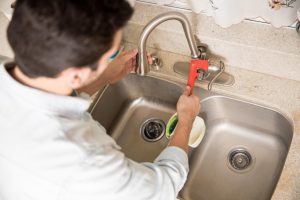
- A quiet hiss near toilets or under sinks can be high pressure water seeping from a joint
- A light trickling behind a wall or under the floor can be a pipe leak that has not surfaced yet
- Constant refilling noises from a toilet cistern can waste a lot of water
In Brisbane’s humid conditions, leaving these sounds unchecked can lead to warped timber, swollen cabinetry and fast mould growth. Catching them early with a question-based check helps reduce long term damage.
Could Your Seasonally Soggy Yard Be a Water Leak
Wet ground after rain is normal. A yard that stays soggy long after the rain has stopped might be something else.
Think about your outdoor areas and ask:
- Does one patch of lawn stay wet after several dry days?
- Is the grass in one strip extra green or thick compared to the rest?
- Are there always little puddles or mossy spots along paths or near taps?
In winter and early spring, softer ground can hide leaks more easily, as everything feels damp. Still, a single wet area that never really dries is often a clue.
Likely sources of outdoor leaks include:
- Buried mains pipes from the street to your home
- Older galvanised pipes that have corroded
- Pool plumbing that has started to seep
- Garden taps and irrigation lines with underground breaks
Plumbers use tools and testing methods to pinpoint these leaks without digging up your whole yard.
When DIY Checks End and the Plumber Steps in
There is a limit to what you can safely and accurately check on your own. Once your questions start leading to a pattern of problems, it is time for licensed help.
Ask yourself:
- Do I have damp patches that are growing or changing?
- Have my water bills gone up for no clear reason?
- Does my water meter move when every fixture is turned off?
- Do I regularly hear running, hissing or trickling water with no taps on?
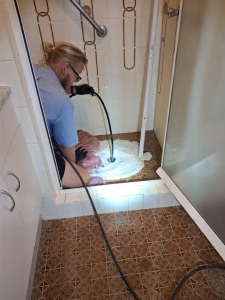
If you answer yes to one or more of these, professional water leak detection in Brisbane is the next step. Plumbers can use tools such as:
- Acoustic listening devices to hear leaks in walls and slabs
- Thermal imaging to spot heat changes from hot water leaks
- Pressure testing to find failing pipework
- Non-destructive methods where possible to locate the problem with less cutting or digging
A local team that knows Brisbane housing styles and soil conditions can communicate clearly, keep work areas tidy and aim to keep disruption low while repairs are carried out.
Book a Local Leak Check Before Damage Sets in
Taking a question-based approach gives you a simple way to keep an eye on your home. By paying attention to damp spots, odd sounds, yard conditions and water bills, you can catch problems earlier and protect your property for the long term.
When you are ready to bring in help, Projection Plumbing is here for Brisbane and North Brisbane homeowners with practical advice, clear communication and reliable leak detection and repair services.
Protect Your Property With Fast, Accurate Leak Detection
If you have spotted damp patches, rising water bills or unexplained mould, now is the time to act. At Projection Plumbing, we use precise water leak detection in Brisbane to quickly locate issues before they cause costly damage. Reach out so we can assess your situation, explain your options and schedule a convenient time for a visit. If you are ready to book or ask a question, simply contact us today.