After a long summer of sudden storms and heavy downpours, blocked drains can be a real issue in our backyards. When the skies open up fast, water doesn’t always drain the way it should. This is something we see often around North Brisbane once the weather settles. We are based in Cashmere and provide plumbing support to homes and properties across North Brisbane, so storm-related drainage problems are a regular part of our work.
By the time February rolls around, the signs start showing up. Dry patches turn swampy, water hangs around longer than it should, and there’s that damp smell near outdoor drains. Most of the time, it’s not obvious straight away. But if that stormwater isn’t moving like it used to, chances are there’s something in the way.
It’s helpful to know what can cause these blockages, where to look for clues, and why waiting too long only makes things worse.
How Summer Storms Lead to Drain Problems
When a storm rolls in, the wind and rain do more than just shake a few branches loose. They push everything in the yard toward the nearest drain. It all builds up fast, especially when multiple storms hit close together.
These are the most common ways outdoor drains get blocked after summer weather:
• Leaves and branches get swept into grates and build up below the surface
• Dirt, mulch, and loose garden debris get moved by running water and pile up inside the pipe
• Strong downpours overload drains that were already running slow, especially older ones
In some cases, it’s not even about what’s in the drain. The way certain drains are placed in the yard can make a big difference too. If the slope doesn’t help water flow away fast enough, water can back up during those sudden Queensland downpours.
Once it starts pooling, it doesn’t take much for a small blockage to turn into a real problem.
What You Might Notice Around the Yard
After a few hot days and scattered storms, blocked drains can start to show themselves in less obvious ways. Sometimes it’s standing water that sticks around too long, but other times, it’s quieter.
Here’s what we often see when something isn’t draining properly:
• Puddles forming in places that used to dry out quickly
• Water sitting around paved areas, near patios or outdoor steps
• A bad smell hanging around the drain, especially after rain
You don’t always need rain to spot a problem. Even watering the garden or washing down hard surfaces can show whether drains are backing up. If you’re seeing water move slowly or backing out of an outdoor drain, it may be time to check what’s happening underneath.
These little signs are usually the first hints that things aren’t flowing the way they should.
Why Ignoring It Makes Things Worse
It’s easy to think a bit of standing water will just go away on its own. But blocked drains rarely fix themselves, even when the weather stays dry for a few days.
Leaving it too long can cause bigger problems around the house and yard, including:
• Flooding in garden beds that drowns plants or damages soil
• Water getting behind paths or under fences where it can slowly lift or crack concrete
• Moisture creeping into the lower parts of the house or around footings
• Pipes under pressure from trapped water, which can cause cracks or bursts later on
We specialise in blocked drains and emergency repairs across North Brisbane, so we often see how a small outdoor blockage can turn into a much larger plumbing issue when it is left too long. Once blockages stop water from draining, everything nearby starts feeling the impact. From plants to pavers, it doesn’t take much for water to find a way into places it’s not meant to go. That’s when small jobs turn into larger repairs.
The longer it sits clogged, the more damage it causes, especially with more wet weather expected through summer and into autumn.
What Happens During a Professional Check
When drains start acting up, the best thing we can do is take a proper look to figure out what’s going on. It’s not always something you can see from the top, especially when the blockage is further down.
Here’s what usually happens during a check:
• We inspect grates and openings for surface debris or signs of poor flow
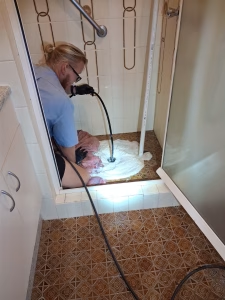
• Tools like cameras or inspection hoses help us see what’s inside the pipe
• If we find tree roots, garden waste, or built-up dirt inside, we clear it before more damage is done
The main goal is to stop the issue from getting worse. By spotting the actual cause instead of guessing, we can clear the build-up before it spreads. That way, there’s less pressure on the whole system next time it rains.
All this helps prevent permanent damage to the pipe and avoids surprises when the next storm passes through.
Keeping Your Drains Clear After Wild Weather
Busy weather through January and early February often leaves garden drains in bad shape, even if they seem fine at first. Just because water disappears eventually doesn’t mean it’s flowing properly. Slow drains are usually the early warning sign before full blockages set in.
Here’s why it’s best to get things checked:
• Small clogs can harden over time, especially with dirt and plant matter involved
• Summer heat dries things up, but the next storm can flush the mess right back into your yard
• Regular flow checks help avoid serious problems by autumn, when ground conditions start to change
It doesn’t take much for repeated rainfall to undo the work of a good garden setup. Spending a few minutes noticing how your drains perform after rain can help catch problems early, while they’re still easy to deal with.
Stay Ahead of Drain Trouble Before the Next Downpour
Once summer storms pass, the signs of blocked drains tend to show up quietly. Maybe there’s water where it doesn’t belong, or the smell around a drain stays longer than it should. No matter the size of the problem, storm season runoff has a way of finding spots to settle and sit.
If water is draining slowly or keeps pooling near common outdoor spaces, that’s usually when to stop and have a closer look. These are often the early signs of a drainage problem getting ready to grow.
By catching the problem early and clearing drains properly, the chance of long-term damage goes down. With autumn not far off, it’s always better to fix things before wet leaves and cooler temperatures make it worse.
Noticing your yard isn’t draining properly after heavy summer rain can signal a problem that escalates quickly in North Brisbane when late-summer storms hit. Unpleasant smells, soggy ground, and slow drainage are signs that you might be dealing with blocked drains and we are ready to help identify the issue before further damage occurs. Contact Projection Plumbing now so we can inspect and resolve the problem.