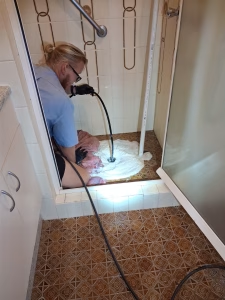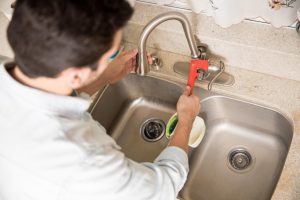
A blocked kitchen sink can bring everything to a standstill. One moment you’re rinsing dishes or prepping dinner, and the next, water isn’t going anywhere. We’ve all been there, especially in busy households where the kitchen does a lot more than just cooking. In homes across North Brisbane, blocked drains are one of those problems that sneak up when we least expect them.
The tricky thing is these blocks often don’t come from one big mistake. It’s usually a mix of tiny habits and things that collect over time. Even if a sink seems to be draining fine, problems might already be forming just below the surface.
What Usually Ends Up Down the Kitchen Sink
It’s easy to forget how much actually ends up going down the drain. A few crumbs here, some cooking oil there, and it adds up faster than you might think. And what seems like “just a little bit” one day can turn into a slow drain a few weeks later.
Here are a few common items that help start the trouble:
- Cooking oils, grease and butter cool down and stick inside the pipes
- Coffee grounds and tea leaves, gritty enough to collect and build up
- Food scraps, even the small bits, can pile up faster than expected
- Soaps and detergents, they bind to grease and make clogs worse
It’s those everyday moments. Rinsing plates without scraping them properly, tipping cooled oil into the sink, or washing out a pan still slick from cooking. Sometimes it seems harmless, but over time, these things don’t just go away. They settle, stick, and start to narrow the pathway water needs to flow freely.
How Kitchen Drains Handle Everyday Use
Kitchen drains are made for water. They’re not built for waste, even though for most of us, it’s easy to treat them that way. What’s under the sink can look simple, but there’s more going on down there than most people realise.
Take the trap, for example. That U-shaped part of the pipe holds a small amount of water to block smells from coming back up. But it also catches items that shouldn’t have been flushed down in the first place. That curve becomes a perfect spot for grease and scraps to stick together, forming a clog over time.
This gets worse during busier times. Think about school holidays, early autumn get-togethers, or just busy weekday dinners. More use means more strain. The more the sink gets used, the more likely it is that leftover bits are building up somewhere inside those pipes.
Signs Something Is Already Going Wrong
Sometimes blocked drains don’t shout. They whisper first. Paying attention to those quiet signs gives us a chance to act before things get messy.
Watch and listen for the signs below:
- Water draining more slowly than usual
- A bubbling sound when water flows through
- Bad smells hanging around the sink area
- Water rising in one sink when another is used nearby
These small signals often mean something deeper is already forming. Even if the water still drains eventually, it’s a hint that the kitchen plumbing isn’t working the way it should. Waiting too long can make things worse, and before you know it, no amount of hot water will shift the problem.
Why DIY Fixes Often Miss the Real Problem
It’s tempting to reach for a bottle from the hardware store or give the sink a few good plunges. Sometimes, that might help, at least for a little while. But those fixes often just scrape the surface.
Here’s where DIY usually falls short:
- Store-bought cleaners might dissolve surface gunk, but they can’t clear bigger blocks further down the line
- Some liquid products are harsh and could damage pipe linings with repeat use
- Plungers don’t have the reach to get deep into the drain system, where most of the build-up hides
Even worse, guessing at what’s causing the problem can lead to even bigger troubles. Removing the trap or poking around with wires might seem like progress, but it’s easy to miss what’s really clogging the pipe or make the block worse. DIY is often a gamble that doesn’t pay off once the water starts backing up.
When It’s Time to Call for Help
There’s a line between something that’s just a bit annoying and something that needs proper fixing. When drains stop working the way they should, bringing in someone who works with this stuff every day can make all the difference.
Licensed plumbers have more than just a plunger and torchlight. They can test water flow, check inside pipes, and find out exactly what’s causing the issue, whether it’s leftover food or tree roots causing damage further down the line. Even better, they can get it sorted before the problem hits other parts of the house.
Quick action matters here. What looks like a local issue in one sink often starts to show up across the rest of the plumbing if it’s not handled early. The sooner the block is handled, the sooner everything flows the way it should.
Keep Things Flowing the Right Way
Kitchen drain problems don’t pop up out of nowhere. They build over time from habits we don’t think much about. Food scraps, grease, and leftover bits all play a role, especially when they settle in the wrong spots under the sink.
That’s why it pays to notice the early signs and stay on top of how well water is moving through the kitchen. A slow drain or strange gurgle might not seem like a big deal, but it often means something underneath isn’t working quite right. Knowing when to bring in support gives us the best shot at keeping things easy, safe, and flowing the way they should.
Noticing water draining slower than usual or hearing strange gurgling sounds in your sink can mean something deeper is at play, and waiting may lead to bigger issues. We are here to help with all your North Brisbane plumbing problems, including stubborn blocked drains that need more than a quick fix so your kitchen stays in top shape. Give Projection Plumbing a call and let us take care of it.
See also: Blocked Drains From Wet Wipes and Tissues: What Really Works.
See also: Blocked Shower Drains and the Hidden Role of Hair Buildup.