Why Wet Wipes and Paper Towels Block Your Drains
Wet wipes and paper towels are some of the most common causes of blocked toilets and drains in Brisbane homes and businesses. Even products labelled as “flushable” do not break down like toilet paper. Instead of dissolving quickly, they hold their shape, travel a short distance, then snag on rough spots in your pipes.
Toilet paper is designed to disintegrate fast in water. Wipes, facial tissues, paper towels and cleaning cloths are made to stay strong when wet, so they behave very differently once they are in your plumbing. They can twist together, catch on tree root intrusions or pipe joins, and act like a net for hair, grease and other debris.
In many older Northside properties with clay or aged PVC pipes, wipes and towels swell and wedge in joints and bends. That is when you start to see slow drains, sewage smells around bathrooms and laundries, and even overflows from toilets or outdoor gully traps. Left alone, these clogs can stress your pipework and lead to cracks or collapses that are far more expensive to fix than the original blockage.
First Signs of a Wipe or Towel Blockage
Wipe and towel blockages usually start small before they turn into a major mess. The very first clues are often subtle. Toilets may take longer to clear after a flush, the water level might rise higher than normal before dropping, or you might hear gurgling from nearby floor wastes or other fixtures.
It helps to know whether you are dealing with a local toilet issue or a deeper sewer line problem. If only one toilet misbehaves while other fixtures, like basins, showers and the kitchen sink, seem fine, the blockage is likely close to that toilet. If several fixtures are slow or gurgling, or if you see overflowing at an outdoor drain, the issue is probably in the main sewer line.
DIY can be reasonable when:
- The problem is limited to one toilet
- There is no sewage overflow onto floors or outside
- There are no strong sewage odours throughout the house
You should call a blocked drain plumber straight away if:
- Multiple toilets or drains are backing up at once
- Sewage is overflowing inside or outside the property
- The toilet is completely blocked and the water will not drop
- The same toilet keeps blocking again after short-term fixes
Safe DIY Methods to Clear Minor Wipe Blockages
For smaller blockages near the toilet outlet or a nearby floor waste, there are a few safe DIY methods that can work without risking damage to your plumbing. Always protect yourself first. Wear gloves, keep children and pets away, and wash hands and any tools thoroughly afterwards.
A plunger is often the best starting point. To plunge effectively:
- Use a flange plunger designed for toilets, not a flat sink plunger
- Make sure the rubber cup is fully submerged in water to get a good seal
- Place the plunger over the outlet, press down gently to push out air, then plunge with firm, rhythmic strokes for 20 to 30 seconds
- Lift the plunger to see if water starts to drain, then repeat a few times if needed
A toilet auger, sometimes called a closet snake, can help if the clog is just beyond the trap. Gently feed the cable into the bowl outlet while turning the handle slowly, so you do not scratch the porcelain. Once you feel resistance, work the handle back and forth to break up or hook the wipes, then pull them back rather than forcing them deeper into the line.
Another option for mild build-up is hot (not boiling) water and a small amount of dish detergent. Boiling water can crack porcelain or damage some pipe materials, so use hot tap water instead. Pour a bucket into the bowl from waist height to add a bit of pressure, then let it sit for a while before flushing. This can help lubricate and move smaller clumps, but it will not shift a heavy wad.
Avoid harsh chemical drain cleaners and improvised tools like coat hangers. Chemicals can damage seals and older pipes, create fumes, and make it unsafe for a plumber to work on the line later. Coat hangers easily scratch porcelain and get stuck in bends, turning a small issue into a larger one.
Why Some Wipe Clogs Need a Professional Plumber
Once wipes or paper towels move beyond the toilet and into your main sewer line, DIY options are very limited. In many North Brisbane suburbs, older clay or early PVC pipes have joints, offsets and small cracks where wipes can snag. Tree roots are also common in these areas, and wipes catch on the fine roots like Velcro.
As more material builds, the pipe gradually narrows until flow is badly restricted. Clogs often form in junctions, inspection openings, and tight bends between the house and the street connection. Clearing these blockages properly usually requires professional-grade equipment that can reach the full length of the line and deal with roots and hard build-up.
A blocked drain plumber may use:
- CCTV drain cameras to see exactly where and what the blockage is
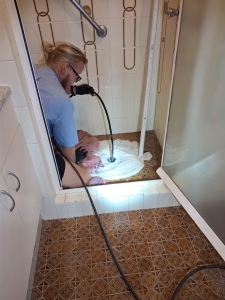
- High-pressure water jetters to cut through wipes, roots, grease and scale
- Mechanical drain machines with rotating cables and cutting heads
These tools let us clear the full diameter of the pipe rather than just poking a small hole through the blockage. Accurate diagnosis also reduces the risk of pipe collapse from repeated force or inappropriate tools. As local North Brisbane plumbers, we understand the common pipe materials and layouts in the area, so we can choose methods that protect your drainage system and minimise disturbance to your property.
Preventing Future Blocked Drains From Wipes and Towels
The most effective fix for wipe-related blockages is prevention. That starts with a clear “do not flush” rule for everyone in the property. Only toilet paper, human waste and a reasonable amount of septic-safe cleaner should go down the toilet.
Anything else belongs in the bin, especially:
- Wet wipes of any kind, including “flushable” or “biodegradable”
- Paper towels and extra-thick serviettes
- Nappies, liners and incontinence products
- Cotton buds, sanitary pads, tampons and applicators
- Cleaning pads, sponges and microfibre cloths
Simple household habits make a big difference. Keep a lidded bin near each toilet. Add a polite sign reminding guests not to flush wipes or sanitary items. For rentals or strata properties, make sure tenants and residents understand the rules, and include them in welcome packs or building notices.
Busy homes, commercial premises and strata complexes often benefit from:
- Periodic drain maintenance and cleaning programs
- CCTV inspections if blockages have occurred before
- Reviewing backflow risks, especially in low-lying areas or older buildings
Staying on top of these steps helps catch minor build-up before it becomes an emergency, and protects shared pipework that can affect multiple units or tenancies.
Take Action Before a Small Block Turns Into a Big Mess
If wipes and paper towels are going into your toilets now, the safest approach is to stop immediately and switch to drain-friendly habits. Even if everything seems to be flushing away, the problem may be building quietly in a bend or junction under your yard or driveway.
After a minor DIY fix, keep a close eye on your fixtures. If toilets start to slow again, gurgling returns, or you notice any sewage smells, treat it as an early warning rather than waiting for a full backup. When issues keep coming back, it is usually a sign that there is a deeper blockage or underlying pipe problem that needs a professional blocked drain plumber to assess and clear properly. Projection Plumbing is here to help North Brisbane homeowners, businesses and strata managers keep their drains flowing, without the drama of wipes and towel blockages.
Get Your Drains Flowing Smoothly Again
If you are dealing with a stubborn blockage, our experienced team at Projection Plumbing can help restore your drains quickly and safely. Whether you need a reliable blocked drain plumber or advice on preventing future issues, we are ready to assist. For prompt bookings or urgent help, contact us today.