Living in a double-storey house can be great, more space, better views, extra privacy. But it sometimes brings a plumbing surprise, like a drop in hot water pressure. When someone showers upstairs and another tap turns on downstairs, the pressure dips, and it can ruin a shower.
This kind of pressure change is common in homes with more than one level, especially during summer when laundry loads and longer showers push the hot water system harder. It might seem like something is wrong with the pipes, but the problem often lies in how water travels through the house rather than in the water supply itself. We are a licensed local plumbing company based in Cashmere, providing plumbing services across North Brisbane, so we see these multi-storey hot water issues regularly.
Why Pressure Drops Happen in Taller Homes
When water has to move through different levels in your home, the pressure is not always consistent. It drops naturally the higher it travels, becoming more noticeable when demand is high. What works for a single-storey house does not always hold up in a multi-level home.
There are a few reasons multi-storey homes feel the pressure difference:
- Water flow needs more strength to reach the higher levels, and the farther it goes, the more resistance it meets
- Gravity slows water as it moves up, so the pressure at the top ends up lower
- Many houses use one central hot water system, but the longer piping in larger homes means the flow is reduced by the time it reaches distant fixtures
A shower on the top floor might have noticeably less pressure than one on the ground floor. This does not always mean there is a leak or blockage; it can simply be how the plumbing is designed.
Hot Water Systems May Be Struggling to Keep Up
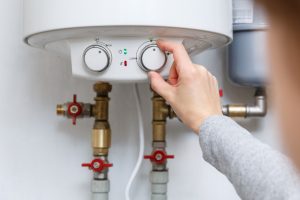
Many pressure issues in multi-storey homes can be traced back to the hot water system. If the system is too small, too old, or not set up for the house layout, it will struggle to deliver enough water.
An undersized system might on paper meet the home’s needs, yet it often cannot provide sufficient volume simultaneously across different levels. Location matters as well. Systems on the ground level must work harder to pump water to the top floor, especially when more than one person is using it at once. We have seen how system size and position affect pressure on upper floors.
Certain fittings can also slow water down:
- Pressure-limiting valves may reduce flow to protect pipes, which can lower pressure more than needed
- Flow restrictors in taps or showers hold water back, making the effect more noticeable upstairs
- Older systems sometimes were not built for multi-level homes, so their performance is naturally limited
When the system does not match the layout of the house, it often comes up short as demand increases.
Summer Conditions That Make It Worse
In North Brisbane, summer brings longer days and hotter weather. This usually means more showers, more laundry loads, and a higher overall water use. Small increases in use add up quickly when everyone in the house is relying on the system.
A few summer habits that pressure the system include:
- Multiple people taking long showers at different times
- Increased use of appliances like washing machines and dishwashers
- More guests or family members around during holidays or school breaks
Extra heat can also affect how hot water systems store and cycle water. Extra cycling during the day tends to expose issues that might not be as apparent during cooler months. Many homes find that summer usage reveals a setup that may not handle heavy everyday use across multiple floors.
Installation or Plumbing Layout May Be to Blame
Sometimes the hot water system is not the problem. It might be the plumbing layout itself that causes a pressure drop. The way pipes are installed can greatly affect the pressure from the ground floor up to the top floor.
Some common causes in the layout include:
- Long, winding pipe runs that lose pressure before the water reaches the tap
- Small pipe diameters that cannot carry enough volume under heavy use
- Poor design choices that overload some parts of the system while leaving others with weak flow
A shower might seem fine when running alone, but if another tap is also in use, the pressure drops noticeably. This could be because the design does not support high simultaneous use across multiple levels.
What a Licensed Plumber Looks at First
When hot water pressure issues in a multi-storey home begin, making assumptions is not enough. There are a few key checks we perform to figure out what is causing the problem. We support residential, commercial, and strata clients across North Brisbane, so assessing the situation carefully is part of our routine.
Here is what we usually look into:
- Testing the system pressure at different points to see where it changes
- Checking the type, age, and capacity of the hot water system in relation to the home’s usage
- Reviewing the flow layout, including how the pipes are arranged and their size
Understanding the entire setup is the only way to know what is causing the pressure drop. Jumping to replace fixtures or making changes without a full assessment may not solve the problem in the long term.
When Steady Pressure Means More Comfortable Living
When hot water pressure drops from one level to the next, everyday tasks can become less convenient. Whether it is taking a shower, washing up, or doing laundry, an inconsistent water flow can disrupt daily routines. In multi-storey homes, pressure loss often shows up when several users rely on the water at the same time.
It does not always mean there is something severely wrong. Often, the current system or layout is simply not a good match for how the house is used. Hot water systems that once met the demand might not keep up now, especially during a busy summer when all the fixtures are active.
Restoring steady pressure often begins with examining the entire water delivery setup. When the flow is balanced with the home’s layout and usage, the water feels steady and uninterrupted from the bottom floor to the top. A well-assessed system makes showers better and daily routines smoother.
Experience reliable water pressure by reviewing how water moves across different floors. We have seen many properties where the design seems correct, yet the real challenge is ensuring the hot water system delivers enough flow during peak times. Hot water systems require a close look at both layout and capacity to keep up with the home’s needs. At Projection Plumbing, we take the time to identify what is working and what needs improvement, so give us a call and let us help get your hot water pressure back on track.
See also: Water Pressure & Pressure-Limiting Valves.