When it’s cold outside, there’s nothing quite like a warm shower to start the day. It’s something most of us take for granted, until it doesn’t work. In a North Brisbane winter, stepping into cold water when you were expecting heat is more than just annoying. It throws off your whole morning.
We rely on hot water systems to keep those daily routines running smoothly. Whether it’s for showers, laundry, or washing dishes, these systems sit quietly behind the scenes doing a big job. But when something goes wrong, especially as temperatures drop in June, it’s usually a sign that the system isn’t doing what it should. Knowing what they do and how they break down can help make sense of what’s happening when the hot tap just isn’t cutting it.
What Happens Inside a Hot Water System
Hot water systems aren’t something most people think about until there’s a problem. But understanding how they work makes it easier to recognise when they’re not running right.
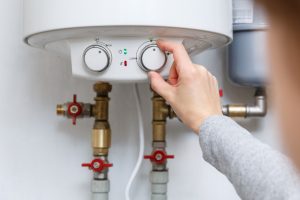
At their core, these systems do something pretty basic: they heat water and move it through your pipes when you turn on a hot tap. Some heat water as needed, while others store it in a tank until you’re ready to use it. Most homes around North Brisbane use one of these common types:
- Electric storage systems that heat water in a tank
- Gas systems that work quickly and directly
- Instant hot water systems that only run when you need hot water
Any one of these can struggle if something small throws things off. A faulty thermostat, a worn valve, or even a build-up inside the tank can get in the way and slow everything down. Once water stops heating like it should, it won’t take long before someone in the house notices.
How Cold Weather Brings Out Hidden Problems
Cooler mornings do more than make it hard to get out of bed. They can add extra stress to the systems we rely on to stay comfortable. If the hot water system hasn’t been used much or looked at in a while, winter is when it tends to fall behind.
Here’s why that happens:
- Less daylight and cooler air means water starts off colder
- The system needs more energy to warm up each time
- Any old or worn parts have to work harder just to keep up
Systems that sit idle for long periods, such as those in guest rooms or holiday rentals, often develop slow leaks or tiny cracks that go unnoticed. With repeated use during colder months, those small problems can grow quickly.
June and July get busy for families. Between keeping kids on schedule, spending more time indoors or hosting visitors, demand for hot water creeps up. If the system is near the end of its working life, colder nights are when it shows.
When a Cold Shower is More Than Just a Chill
Suddenly getting a cold surprise in the shower shouldn’t be brushed off. It’s usually a sign that something behind the walls isn’t working the way it should.
There are a few common signs to keep an eye on:
- Quick bursts of warmth, followed by cold water
- Pressure changes when you use more than one tap
- Long waits for the water to heat up, especially in the morning
These aren’t just temporary annoyances. They often point to things like sediment in the tank, faulty heating elements, or a dip in gas supply. Some people try to write it off as an early morning glitch, but patterns like these don’t fix themselves. They get worse over time, and when they do, that quick shower can turn into a stressful guessing game every day.
Why Fixing It Yourself Isn’t the Way to Go
It’s tempting to grab a wrench or open up a panel when your system starts acting up. But these systems connect to mains power, gas, or high-pressure water lines. Poking around inside without formal knowledge doesn’t just risk further damage, it’s not safe.
Inside, you’ll find:
- Live electrical components near wet areas
- Gas lines that must stay sealed and tested
- Pipes under pressure that can burst or leak unexpectedly
Even something simple, like a small valve replacement, isn’t always what it seems once you get into the unit. Just figuring out what’s wrong is harder than it looks when parts are worn or covered in mineral build-up. That’s why it’s better to leave these checks to someone who works with hot water systems full time. Getting answers quickly and safely matters more than rolling the dice on a do-it-yourself fix.
Staying Warm Without Worry
When the weather cools down, little things with your hot water system can become big problems fast. Whether it’s a strange noise, a delay in heating, or a full-on blast of cold when you’re not expecting it, those are signs a deeper issue may be brewing.
Catching these signs early and getting help from someone who knows what they’re looking at can save you from facing cold showers all winter long. During North Brisbane’s colder mornings, keeping your system in good working order means staying comfortable, ready, and focused on the day ahead.
Mornings in North Brisbane disrupted by unreliable hot water might signal that your system is struggling to meet demand. We see many older setups face growing issues in winter, with small problems quickly escalating if left unchecked. When something isn’t quite right, whether it’s slow heating or short bursts of warmth, it is often linked to how your hot water systems are handling the load. At Projection Plumbing, we know the signs to watch for and how to sort them out before matters worsen. Give us a call to have your system checked today.
See also: Why Your Hot Water System Failed.