When the mornings start out icy and the cold creeps into everything, plumbing issues can show up fast. In winter, even a small leak can pick the worst possible time to become a bigger one. With the chill around, pipes and fixtures do not always handle the pressure well.
That is why staying alert to change is so important. We usually do not expect much trouble until water suddenly appears where it should not. Water leak detection becomes a smart first step toward stopping problems before they grow. It keeps things more comfortable at home and avoids the scramble that comes with surprise damage.
Why Leaks Show Up More in Winter
Winter puts a different kind of stress on pipes. When outdoor temperatures drop, the plumbing in and around the house can shift in ways we do not see. Some areas cool down more than others, and that uneven movement can cause connections to loosen or cracks to form.
Here is why leaks often start when it is cold:
- Pipes that run along outside walls or under the house feel the temperature changes first and may shrink slightly as the air gets colder
- With more hot showers and hand washing, the extra use adds pressure across the system
- If parts of the plumbing are already old or worn, the pressure difference between hot and cold can push them past their limit
We do not always notice these changes right away. But once water starts escaping, it finds its way into floors, walls, or the soil around your foundation. What started as a little crack may become a steady drip, and from there, things can snowball.
The Hidden Problems Leaks Can Cause
Not all leaks make a mess immediately. In fact, the most frustrating ones often happen behind walls or under cabinets where no one looks unless something smells off or feels damp.
Hidden leaks can lead to the following outcomes:
- Water stains on ceilings or walls
- Mould creeping into your home during a time when windows stay closed
- Damage to wood, plaster, or floors that weakens structural parts of the house
- Higher water bills that go unnoticed until the numbers keep climbing
It is easy to think a small wet patch under the sink is no big deal. But leaks have a habit of growing quietly until they hit a tipping point. And once that happens, cleaning up takes more time and effort than finding the leak early on.
Why Acting Fast Makes All the Difference
Waiting to inspect or fix a leak might seem harmless at first. But in winter, the effects come quicker, and we often use more water for heating and washing. That means more strain on weak spots, and a faster route to bigger problems.
Getting on top of a leak early helps in these ways:
- Keeping walls, floors, and furniture out of harm’s way
- Avoiding bug problems that often pop up in damp places
- Protecting the inside heat from escaping through damaged pipes or open walls
It is not only about mess and repairs. A dry, stable home feels warmer and more comfortable, especially when the days are short and breezy. We do not want to spend our evenings dragging out buckets or drying out floorboards when we could have caught the issue days earlier.
Getting the Right Help Without Playing Guesswork
Some leaks are easy to find, water under the sink, a drip from the ceiling, or a puddle near the hot water unit. But many are not quite that obvious. They may sit in quiet corners of the house or start from a buried pipe underground.
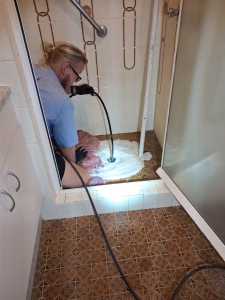
This is where experience really matters. Water leak detection is not about guessing. It takes the right tools and a method that avoids pulling apart every wall or tile. As a licensed local plumbing company based in Cashmere, we work with homes, businesses, and strata properties across North Brisbane, so we understand how different building layouts can affect where leaks appear.
Trying to follow the trail on your own can feel like going in circles. Water does not always travel the way we expect. We have seen it run along rafters, pool in random corners, or soak into cabinets long before showing any real signs. Getting help from someone who understands how plumbing works through the house gives you answers you can act on without delay.
Keep Winter Plumbing Headaches Away
Staying warm and relaxed in winter is easier when you are not dealing with water leaking somewhere behind a wall or bubbling up where it should not. If we stay tuned in to the early signs, we put ourselves in a better spot to enjoy the season instead of fighting with a plumbing issue.
It does not mean getting ahead of every possible problem, but it does mean paying attention when something feels off. Damp corners, musty smells, or small wet patches might seem like no big deal, but they usually do not go away on their own.
Having a trusted set of eyes on the problem, especially one that knows North Brisbane homes and how they are built, can save you a lot of second-guessing. A steady approach with expert support makes winter a bit simpler.
Even when we cannot control the weather, we can stay ready for the way it affects our homes. With quick action and local knowledge, we can keep things dry, comfortable, and stress-free over the colder months.
If something feels off this winter and you are worried a small issue might turn into a bigger headache, we are here to help. Whether it is a damp spot on the wall or a strange smell near the sink, it is worth getting it checked before it spreads. We use proven methods to track down and confirm the source of a problem so nothing gets torn apart without reason. For peace of mind when it comes to water leak detection, give Projection Plumbing a call.
See also: The Risks of Ignoring Minor Slab Leaks in Warm Weather.